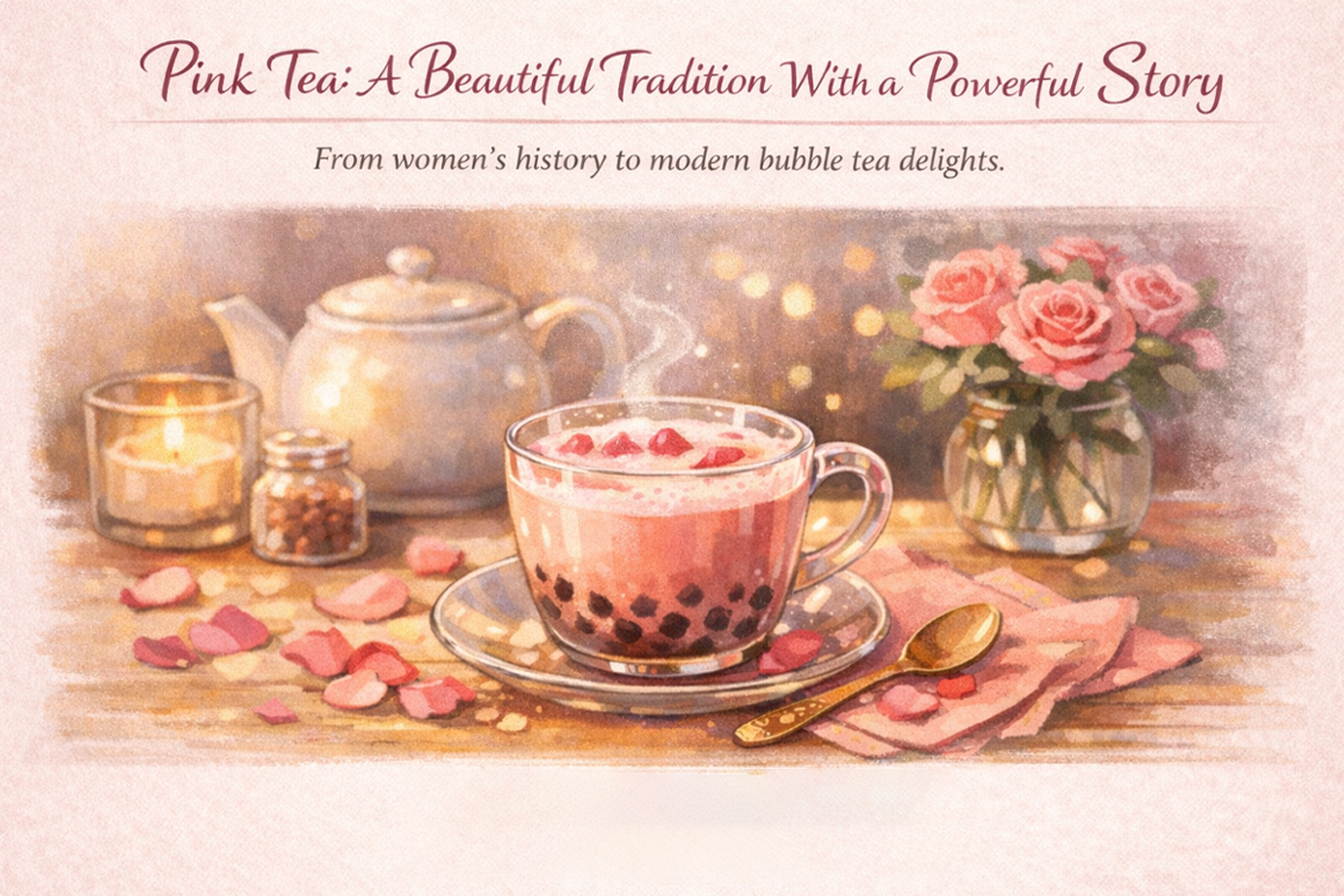

Pink tea is more than a pretty drink; it’s a symbol of connection, culture, and community. From historical gatherings that shaped women’s rights to modern bubble tea favorites… loved for their fun flavor and color, pink tea continues to stand out as one of the most unique and meaningful beverages in tea culture.
At 1980 Tea House, we love celebrating tea not only for taste, but for the stories and traditions behind it.
What Is “Pink Tea”?
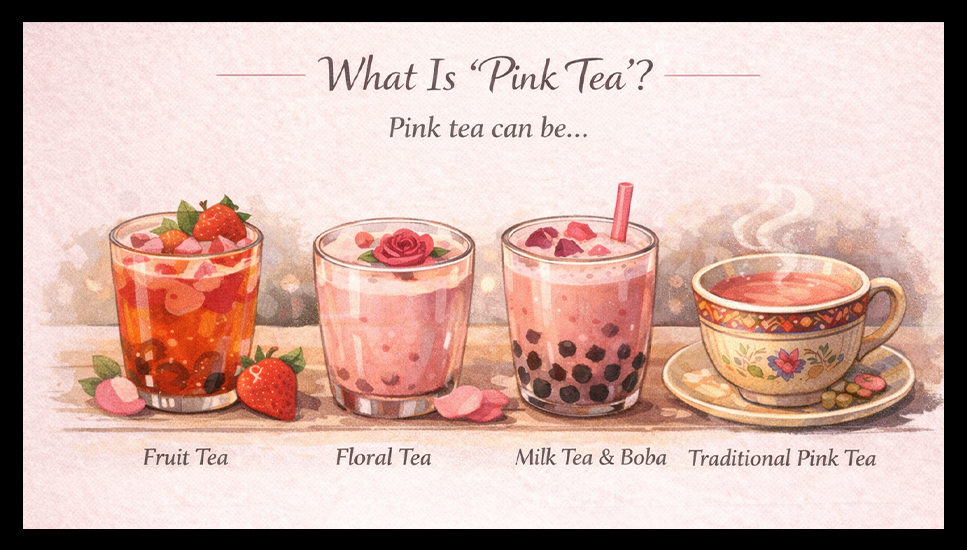
Pink tea can be fruity, floral, creamy, or beautifully traditional.
Pink tea can refer to several types of tea drinks, and that’s part of what makes it so special. Depending on the ingredients and style, pink tea may be:
- A fruity tea, like hibiscus or berry blends
- A floral tea, such as rose
- A creamy milk tea with boba
- A traditional tea with deep cultural roots, like Kashmiri Pink Tea (Noon Chai)
In modern tea houses and cafés, pink tea often represents a drink that feels comforting, playful, and photo-worthy, but it can also have a controversial history and meaning too.
Pink Tea & Women’s History: More Than a Social Gathering
Tea gatherings once created safe spaces for connection, communication, and progress.
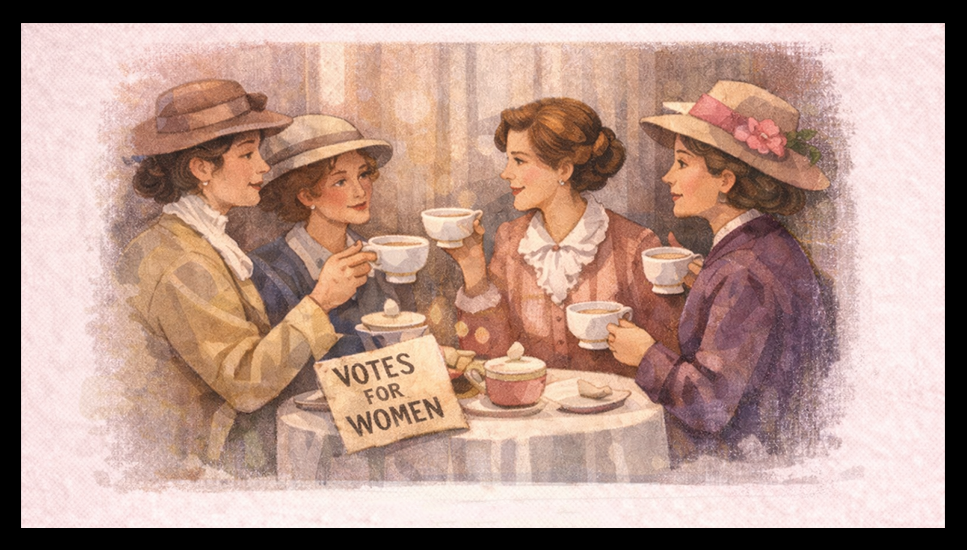
During the women’s suffrage movement, tea gatherings were often seen as harmless social traditions. But in many cases, they became something more meaningful, a chance for women to gather, share information, and organize during a time when equal rights were still being fought for.
Some “Pink Tea” gatherings were held under the guise of simple social tea, while quietly supporting conversations about women’s rights and equality. Tea became a setting that encouraged community, confidence, and shared purpose.
A Note on Symbolism
Pink symbolism has been used in different ways throughout history, including by groups with different viewpoints. What remains true is that tea spaces have long represented something important: people coming together, sharing ideas, and building community.
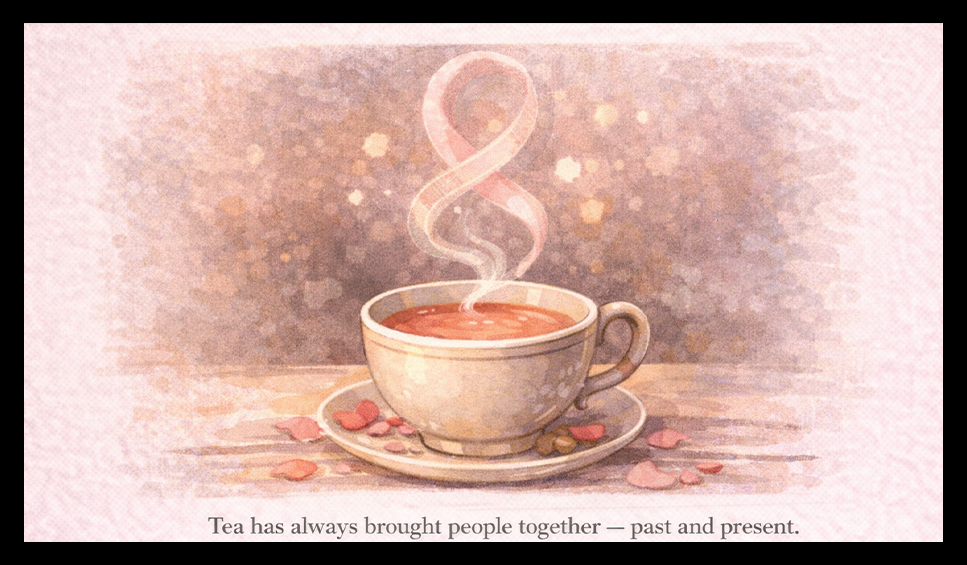
Tea has always brought people together, past and present.
Pink Tea Today: Joy, Inclusivity & Modern Café Culture
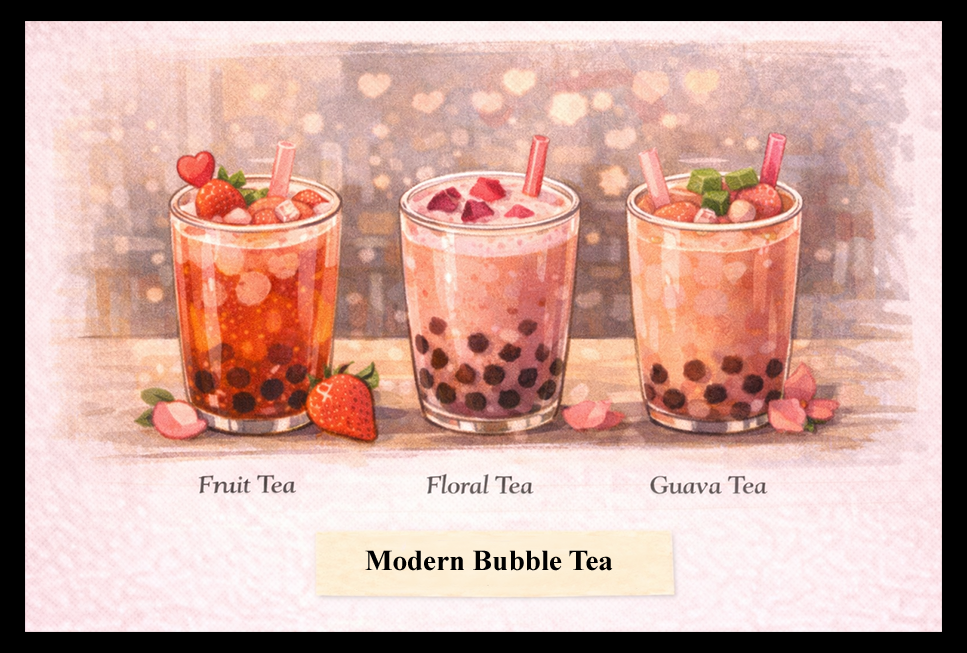
Pink bubble tea is modern happiness in a cup.
Today, pink tea often represents something lighthearted and joyful, a drink that feels fun, welcoming, and easy to enjoy. In bubble tea shops and modern cafés, pink beverages are especially popular because they’re:
- Bright, beautiful, and uplifting
- Easy to customize with sweetness, milk, and toppings
- Loved by all ages
- Perfect for sharing and enjoying with friends
Pink drinks are often made with flavors like strawberry, raspberry, rose, lychee, guava, and hibiscus, creating refreshingly comforting drinks.
At 1980 Tea House, we love that pink tea has become a symbol of creativity, comfort, and inclusivity while still connecting to the deeper tea traditions that came before it.
Kashmiri Pink Tea (Noon Chai): A Traditional Pink Tea Classic
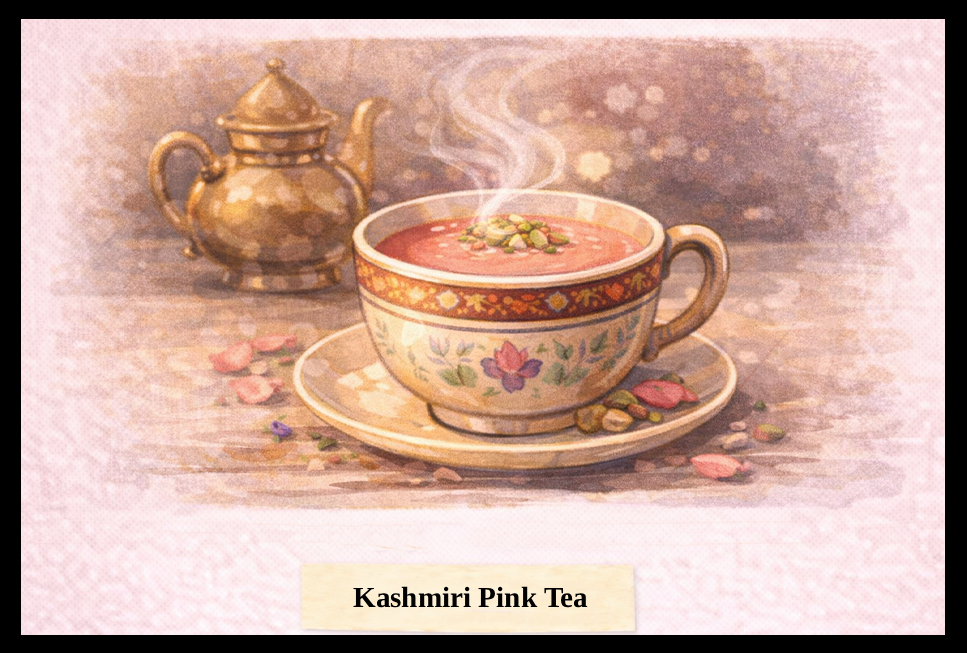
Kashmiri Noon Chai is one of the world’s most iconic pink teas.
One of the most famous traditional pink teas is Kashmiri Pink Tea, also known as Noon Chai (or Sheer Chai). Unlike modern fruity or milk-based drinks, Noon Chai is known for its unique preparation process and its signature rosy color.
It’s typically made with special tea leaves and a brewing method that brings out its distinct hue. In many traditional versions, it may also include milk, and it is often enjoyed as a comforting and cultural tea experience.
Noon Chai is a wonderful reminder that pink tea isn’t just trendy, it’s also deeply rooted in tradition.
Sources & Credits
This article includes historical and cultural references from the following sources:
- Restaurant-ing Through History — Suffrage “Pink Tea” gatherings
- CBC (Canadian Broadcasting Corporation) — Historical coverage related to tea gatherings and women’s history
- Kongsi Tea Bar — Modern pink bubble tea culture
- Wikipedia — Kashmiri Pink Tea / Noon Chai background
- Owl & Monkey Tea — Pink tea meaning and tea flavor references